


Impact of Market Competition on Online Sports Betting: BetMGM Workforce Reduction | 10BET

BetMGM Shifts Focus Toward Online Sports Betting Following Workforce Reductions at New Jersey Headquarters

BetMGM is set to reduce its workforce by terminating 83 employees from its New Jersey headquarters as part of a strategic shift to optimize its operations. This move aims to streamline costs and refine its competitive edge within the rapidly evolving online sports betting landscape, ensuring the company remains agile in an increasingly crowded gaming market.

Sports betting
Image by clarencealford from Pixabay

As a key player in sports betting and iGaming, BetMGM has communicated this decision to the New Jersey Department of Labor & Workforce Development through a WARN Notice—an alert that notifies employees of impending layoffs. This legal requirement is part of the Worker Adjustment and Retraining Notification Act, introduced in 1988 to offer affected employees adequate time to seek new job opportunities.

Industry Context: From Boom to Adjustment

In the wake of the 2018 U.S. Supreme Court ruling which allowed states to decide on the legality of sports betting, BetMGM, a partnership between MGM Resorts International and Entain, sought to capture a significant share of this burgeoning market. However, as the industry matures, major competitors like FanDuel and DraftKings have dominated, holding 37% and 35.5% of the market, respectively.

As of February, BetMGM commanded approximately 8% of the U.S. legal sports betting market, a notable disparity when compared to its larger competitors. This market share is determined based on the handling of bets and has placed BetMGM at a distance behind the leaders. Following closely is Caesars Sportsbook at 5%, with ESPN Bet capturing just over 3%.

The Challenge of Transitioning Guests

FanDuel and DraftKings have been adept at converting their daily fantasy sports (DFS) players into sports betting clients, a critical advantage they hold over BetMGM. The latter primarily relies on converting loyal MGM Resorts guests who are part of the casino’s rewards program. This transition isn’t seamless, as not every casino visitor is inclined to place sports bets.

While transferring MGM’s in-person clientele to online gambling may seem simpler, the breadth of iGaming remains restricted. Currently, online slots and interactive table games are accessible in only seven states, with BetMGM operating in four of them. The introduction of new states into the iGaming market appears unlikely in the near future, forcing BetMGM to reassess its strategies.

Financial Performance and Future Prospects

Despite the need to cut costs, BetMGM reported a substantial revenue of $2.1 billion for its fiscal year 2024, marking a 13% increase from the previous year. Of this revenue, approximately $624 million was generated through sports betting, with a significant contribution from online operations amounting to around $70 million. The iGaming segment also performed well, yielding nearly $1.5 billion in gross gaming revenue.

However, this growth has not shielded BetMGM from losses. The company recorded an EBITDA loss of around $244 million, attributed mainly to acquisitions, including those of LeoVegas and the Tipico U.S. sportsbook operations. Company officials maintain an optimistic outlook, suggesting that the fiscal year 2025 could signal a turning point towards profitability, provided revenue goals of $2.4 billion to $2.5 billion are achieved.

Conclusion

BetMGM’s recent decision to reduce its workforce reflects the shifting dynamics of the online gaming industry, where competition is fierce and profitability remains a challenge. With ongoing efforts to adapt and invest in strategic initiatives, the hope is that BetMGM can not only recover but thrive in an evolving marketplace.

From NFT Lawsuits to Online Sports Betting: Key Market Shifts – 10BET

From NFT Lawsuits to Online Sports Betting: A Comprehensive Overview of DraftKings Legal Settlement and Future Impact

DraftKings, a prominent player in the online sports betting and gaming industry, has reached a significant settlement of $10 million in a class-action lawsuit concerning its former NFT marketplace. The lawsuit, filed in 2023, alleged that the non-fungible tokens (NFTs) sold on the DraftKings Marketplace constituted unregistered securities. This development marks a crucial point in the evolving legal landscape surrounding NFTs and their classification.

NFT settlement
Image by MAKY_OREL from Pixabay

The Core of the Lawsuit: NFTs as Securities

The central claim of the lawsuit was that the NFTs offered on the DraftKings Marketplace were, in fact, securities. This determination is based on the landmark 1946 Supreme Court case, SEC v. W.J. Howey Co., which established the ‘Howey Test’ for determining whether an investment contract is a security. The Howey Test outlines four key criteria: an investment of money, an expectation of profits, a common enterprise, and investment success dependent on the efforts of others.

Howey Test and DraftKings Marketplace

A US District Judge, Denise Casper, ruled in favor of the plaintiffs, stating that the NFTs sold on the DraftKings Marketplace met all the criteria of the Howey Test. This ruling effectively established that the marketplace functioned not just as a platform for collectibles but as a securities exchange. This decision has significant implications for the regulation of NFTs and platforms offering them.

The Settlement Details

The settlement agreement involves DraftKings distributing $10 million in cash payments to members of the class. Class members are defined as customers who purchased NFTs on the DraftKings Marketplace between August 11, 2021, and the date the judgment was entered. The marketplace and the Reignmakers fantasy sports game, which utilized the NFTs, were shuttered in July of the previous year.

According to the plaintiffs’ filing, the settlement was the result of extensive negotiations, including mediation sessions involving a neutral third party. The legal process involved thorough investigations, briefing on motions to dismiss, discovery, and information sharing. The settlement is considered a pragmatic resolution after considerable legal wrangling.

Key Players in the Lawsuit

The lawsuit named several individuals as defendants, including DraftKings co-founders Matt Kalish and Jason Robins (CEO), and Chief Transformation Officer Jason Park. These individuals were held responsible for the actions of the company regarding the NFT marketplace.

Financial Implications and Damages

Initially, the plaintiffs claimed potential damages ranging from $18 million to $58 million. The $10 million settlement represents 26% of the midpoint of this range. Attorneys for the class argued that ‘realistic and supportable damages’ could fall within this spectrum. The decision to settle was partly driven by the potential cost and duration of further litigation.

The lead plaintiff, Justin Dufoe, reportedly intends to pursue a $50,000 award for his time and effort in the lawsuit, as well as a share of the total settlement to cover attorneys’ fees and legal expenses. This highlights the potential financial benefits for individual plaintiffs in class-action settlements.

Broader Context: DraftKings and NFT Litigation

The $10 million settlement is not the only legal challenge DraftKings has faced related to NFTs. Earlier in the year, the company reached a separate settlement with the NFL Players Association (NFLPA) concerning alleged unpaid royalties for the use of players’ names, images, and likenesses in the Reignmakers game. This previous settlement addressed claims that DraftKings had breached its contract with the NFLPA.

The NFLPA’s initial lawsuit in August of the previous year also leveraged Judge Casper’s ruling on the Howey Test, arguing that the NFTs were securities and thus subject to contractual obligations. This demonstrates how legal precedents can be applied across different legal disputes involving DraftKings and its Reignmakers platform.

Conclusion

The settlement of the DraftKings NFT lawsuit for $10 million is a significant event with implications for the regulation of NFTs. The court’s ruling that the NFTs were securities has set a precedent, and this settlement underscores the financial risks associated with offering digital assets that may be classified as investment contracts. As the NFT market matures, legal clarity surrounding their classification will be crucial for both developers and investors. This case serves as a cautionary tale and highlights the importance of understanding the legal ramifications of participating in the burgeoning world of NFTs.

DraftKings NFT Marketplace Legal Settlement

Blog

Disclaimer: This article is for informational purposes only and does not constitute legal advice. Consult with a legal professional for advice regarding your specific situation.

Genius Predicts Surge in Sports Betting Revenue Growth for 2025

Genius Sports Forecasts Explosive Revenue Growth Driven by Surging Sports Betting Demand in 2025

Genius Sports (NYSE: GENI), a leading provider of sports betting data, has announced optimistic revenue guidance for 2025, exceeding Wall Street expectations. This positive outlook has led to a significant surge in the company’s stock value.

Sports betting
Image by top10-casinosites from Pixabay

The company projects sales of $620 million in 2025, with an adjusted EBITDA of $125 million. This forecast represents a year-over-year growth of 21% in group revenue and 46% in adjusted EBITDA, significantly surpassing the consensus estimate of $590.7 million.

Sports betting
Image by papazachariasa from Pixabay

Key Highlights of Genius Sports’ 2025 Guidance

  • Revenue Projection: $620 million
  • EBITDA Projection: $125 million
  • Year-over-Year Revenue Growth: 21%
  • Year-over-Year EBITDA Growth: 46%

This strong performance is attributed to Genius Sports’ dominant position in the sports data market and its strategic partnerships with major sports leagues.

Strategic Partnerships Fueling Growth

Genius Sports holds a premier exclusive data provision contract with the NFL, providing real-time, official play-by-play statistics that are highly sought after by sportsbook operators. This partnership is crucial for powering in-game betting menus, which have seen substantial growth in recent years.

Furthermore, Genius Sports has established strong partnerships with other professional sports leagues, solidifying its position as the leading data provider for the sports betting industry. These partnerships provide access to a wide range of sports data, catering to the diverse needs of sportsbook operators and bettors alike.

Improving Cash Position

Genius Sports concluded 2024 with a robust cash and cash equivalents position of $110.21 million, an increase from $100.33 million at the end of 2023. This strong liquidity provides financial flexibility and strengthens the company’s ability to invest in future growth opportunities.

The current cash position is significant relative to the company’s market capitalization of $1.94 billion, suggesting that the stock might be undervalued based on its liquidity. This financial strength is a key factor contributing to investor confidence in Genius Sports’ long-term potential.

Kyrie Irving Injury: How It Affects Dallas Mavericks Sports Betting Odds | 10BET

Kyrie Irving’s Season-Ending Injury: A Major Setback for Dallas Mavericks Sports Betting Odds

The news that Dallas Mavericks star Kyrie Irving has suffered a devastating season-ending injury has sent shockwaves through the NBA, creating massive shifts in the landscape of sports betting. For fans and bettors alike, his absence fundamentally alters point spreads and player props, marking another challenging period for the franchise owned by Dr. Miriam Adelson of Las Vegas Sands.

Basketball injury
Image by InTouchPhotography from Pixabay

Kyrie Irving was injured during a game against the Sacramento Kings on Monday night, March 3, 2025. The injury, a torn ACL in his left knee sustained in the first quarter, has significant implications for the Mavericks’ performance and their aspirations for the remainder of the season.

Irving is a key player for the Mavericks, leading the team in crucial statistical categories including points scored, assists, steals, free throw percentage, and three-point percentage. His absence will undoubtedly be felt across the court.

Impact on the Mavericks’ Season and Playoff Odds

Prior to this injury, the Dallas Mavericks held the 10th position in the Western Conference with a record of 32 wins and 30 losses. While still within the playoff hunt, the loss of their star player has considerably diminished their chances of a deep playoff run. Sportsbooks like BetMGM have reflected this change, increasing the Mavericks’ odds of winning the NBA title from +6600 to +20000.

These odds indicate a significantly lower probability of the Mavericks securing the championship, with a $100 bet now yielding only $200 if they were to achieve the improbable. This dramatic shift highlights the importance of Irving to the team’s success.

Recent Team Changes and Fan Reaction

The Mavericks have been navigating a turbulent period, most notably the controversial trade of Luka Doncic to the Los Angeles Lakers in early February. In exchange for Doncic, the Mavericks acquired Anthony Davis. This move sparked considerable debate among fans, with many expressing disappointment at losing one of the league’s premier players.

The ownership group, led by Dr. Miriam Adelson and her son-in-law Patrick Dumont, defended the trade, citing concerns about team culture. However, this explanation has not resonated with a significant portion of the fanbase, leading to widespread criticism and concerns about the direction of the franchise.

Rumors have also surfaced regarding a potential relocation of the team to Las Vegas, further fueling fan discontent. While these rumors have been denied by the ownership, they have added another layer of uncertainty to the Mavericks’ future.

Ownership and Management Background

Patrick Dumont, the son-in-law of Dr. Miriam Adelson and the Sands President and Chief Operating Officer, has taken on a significant role in the team’s operations. Despite his position, he has limited prior experience in sports management. His background is primarily in finance, corporate strategy, and business management.

The Sands corporate website highlights Dumont’s extensive experience in financial strategies and capital return, suggesting a business-oriented approach to managing the team. However, his lack of direct experience in sports operations has raised questions among fans and analysts alike.

Fan Discontent and Financial Implications

The frustration among Mavericks fans is palpable, with numerous comments on social media expressing disappointment and disillusionment. Many fans have voiced concerns about the team’s direction and the potential departure of other key players like Klay Thompson and Anthony Davis.

Adding to the negativity, the Mavericks have announced an average increase of 8.61% in ticket prices for the upcoming season. This decision has been met with further criticism from fans who feel the team is out of touch with their concerns.

The Future of the Dallas Mavericks

Kyrie Irving’s injury presents a significant challenge for the Dallas Mavericks. While they remain in the playoff conversation, their ability to compete at a high level will be severely hampered without their star player. The team’s future hinges on their ability to navigate these challenges and make strategic decisions that resonate with both fans and the broader basketball community.

The upcoming season will be a crucial test for the Mavericks’ management and players. They will need to find ways to overcome this setback and maintain a competitive edge in a highly competitive league. The team’s performance, both on and off the court, will be closely watched by fans and stakeholders alike.

Image: Kyrie Irving in action for the Dallas Mavericks.

Massive Lottery Jackpot: South Korea Records 64 Trillion to 1 Double Win – 10BET

Massive 64 Trillion to 1 Lottery Jackpot Win Shakes Faith in South Korea Lottery System

The sudden surge of excitement surrounding South Korea’s March 1 drawing has been overshadowed by intense controversy, as many wonder if a massive lottery jackpot can truly be won fairly when a single machine inexplicably produces two winning tickets. This anomaly has sent shockwaves through the gambling community, forcing players to question the integrity of the system when the odds of such an event are a staggering 64 trillion to 1.

Lottery glitch
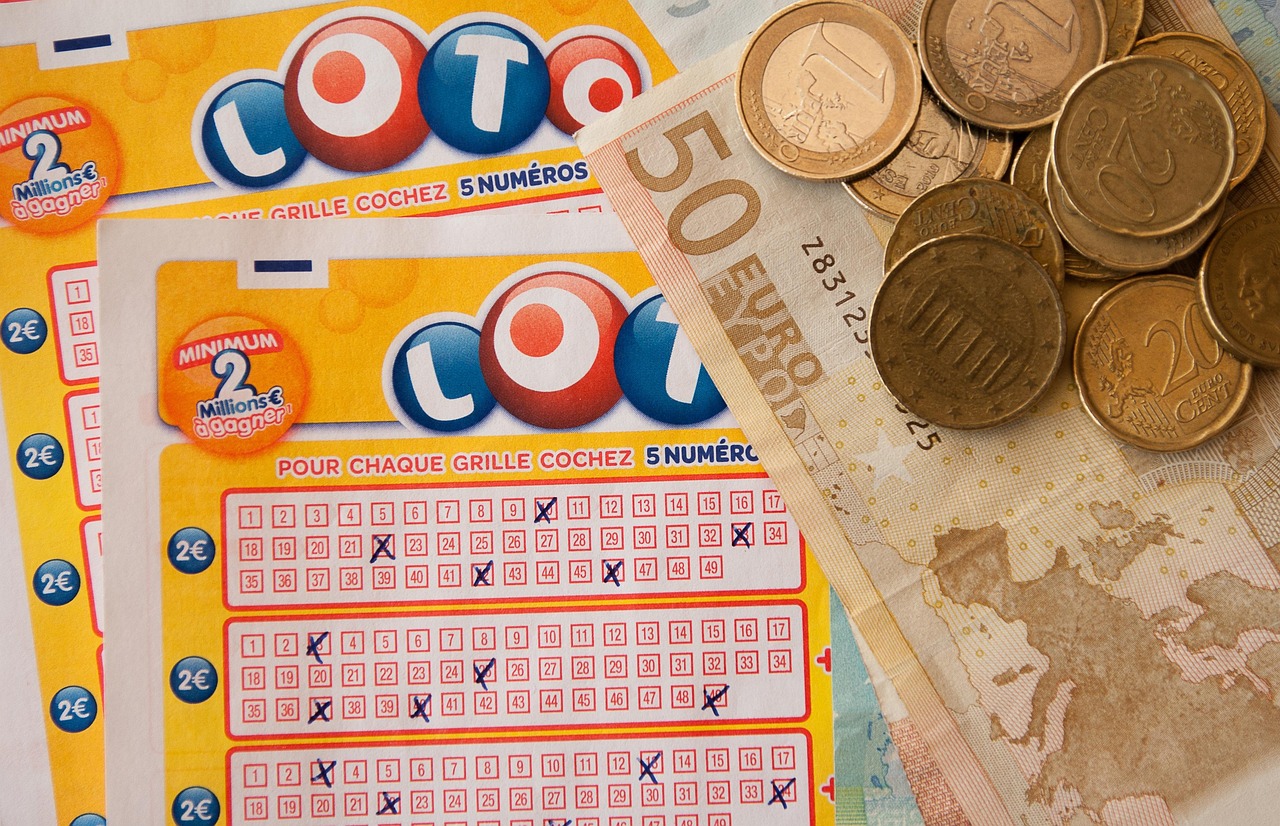
Image by jackmac34 from Pixabay

The unexpected appearance of two jackpot-winning Donghaeng Lottery tickets originating from the same retail outlet has sparked widespread speculation across South Korea. This incident occurred on a typical rainy day in Seoul, with South Koreans purchasing Donghaeng Lottery tickets from a small store similar to the one where these two winning tickets were printed. (Image: Munhwa)

Unprecedented Double Jackpot

The March 1st draw of the Donghaeng Lottery yielded a total of 16 jackpot-winning tickets, with an astonishing two of those being generated by the same lottery machine located in a modest store in Siheung, Gyeonggi Province. The numbers on these tickets were randomly selected by the machine.

The odds of correctly selecting all six numbers in the South Korean Lottery are already formidable, standing at 8 million to 1. The likelihood of this happening twice from the same machine within a single draw is exponentially lower – approximately 64 trillion to 1. This extraordinary probability has led many to question whether this remarkable occurrence was a genuine coincidence or indicative of a malfunction within the lottery system.

Glitch or Something More?

The prevailing explanation from the lottery officials is that the double jackpot was simply an extremely rare coincidence resulting from a glitch in the machine’s random number generator. However, this explanation has been met with skepticism by many South Koreans and has fueled various conspiracy theories.

South Korea’s Ministry of Economy and Finance, which oversees the national lottery, has firmly denied any possibility of deliberate manipulation of the system. The ministry highlighted a crucial security measure: sales terminals in retail stores are automatically disconnected from the server 35 minutes before each draw. This disconnection process makes it virtually impossible to issue tickets after the draw has concluded.

Furthermore, the ministry questioned the logic behind any potential manipulation. If someone were attempting to influence the outcome, they would likely aim to win the entire prize pool with a single set of tickets rather than producing two sets and risking greater suspicion.

While 1 in 64 trillion sounds almost unimaginable, it’s important to remember that lotteries are conducted globally with millions of tickets sold each time. Over extended periods and numerous draws, highly improbable events do occur eventually. This event serves as a stark reminder of the inherent randomness involved in lottery outcomes.

Fueling Conspiracy Theories

Despite the official assurances, conspiracy theories are rapidly spreading across social media platforms. A key factor contributing to this skepticism is the fact that winners in South Korea are not publicly identified, often residing in other countries like the United States. This anonymity has created an environment ripe for speculation and mistrust.

One viral post on social media questioned the integrity of the draw, stating: “The government must investigate and explain whether there was any computer manipulation to add first-prize winners after the numbers were drawn.”

Many social media users are now demanding greater transparency from the lottery authorities. They are calling for the disclosure of precise times and locations of all winning ticket purchases to help dispel doubts about the fairness of the system.

Past Instances of Questionable Results

This is not the first time South Koreans have raised concerns about the integrity of their national lottery. In July 2024, an unprecedented event occurred where a staggering 63 people shared the first prize. In response to this unusual outcome, the Ministry of Economy and Finance organized a special “lottery day” to demonstrate the system’s fairness to the public and address public concerns.

Donghang Lottery Executive Director Im Cho-soon offered an explanation for the unusually high number of winners in the July event. He suggested that this seemingly improbable outcome was likely due to players favoring specific number combinations, particularly straight-line sequences on their tickets. This tendency towards predictable patterns can sometimes lead to multiple winners sharing the same prize.

The Importance of Randomness and Oversight

The double jackpot incident in South Korea underscores the critical importance of robust random number generation systems and stringent oversight in lottery operations. While the official explanation points to a rare coincidence, the sheer improbability of the event has understandably fueled public concern.

Lottery operators must continually invest in secure and verifiable systems to maintain public trust. This includes rigorous testing of random number generators, strict security protocols for ticket printing and distribution, and transparent procedures for verifying winning tickets. These measures help ensure that lottery outcomes are truly random and that the integrity of the system is protected.

For those interested in exploring other forms of chance and entertainment, numerous online casinos offer a wide variety of games with provably fair systems. However, it’s crucial to remember that these activities should be approached responsibly and within the legal framework of your jurisdiction. Consider exploring different types of casino games like slots or table games for an engaging experience.

Conclusion

The double jackpot win in South Korea is a remarkable and statistically improbable event that has understandably shaken public confidence in the lottery system. While officials maintain that it was a result of a glitch in the machine, the incident has raised significant questions about the fairness and transparency of the lottery’s operations. This event highlights the need for continuous investment in secure systems, transparent procedures, and open communication with the public to maintain trust in national lotteries. The rarity of such occurrences is a testament to the inherent randomness of lotteries, yet incidents like this serve as crucial reminders of the importance of vigilance and accountability within these industries.

Casino Legalization in Thailand: Breaking Down the Wealth Barrier | 10BET

Thailand’s Path to Casino Legalization: New Bill Removes Wealth Barrier

As Thailand moves closer to a transformative era for its economy, the debate surrounding casino legalization has moved to the forefront of national policy. By championing the latest iteration of the Entertainment Complex Bill, Prime Minister Paetongtarn Shinawatra is steering the country toward a landscape where the benefits of gaming are more widely available. This strategic push for casino legalization aims to boost tourism and generate massive revenue by removing previous restrictions that would have limited access to only high-net-worth individuals, signaling a major shift toward broader accessibility for all patrons.

Thailand casino
Image by MolnarSzabolcsErdely from Pixabay

Initially, the proposed bill included a stringent entry requirement: prospective gamblers would have needed to demonstrate a net worth of at least 50 million baht (approximately US$1.5 million). However, concerns about the potential exclusion of most Thai residents led the Council of State to remove this restrictive clause. According to Deputy Finance Minister Julapun Amornvivat, data indicated that only around 10,000 Thai citizens meet this wealth threshold, raising concerns about driving gambling activity to other jurisdictions and potentially violating existing laws.

The revised Thailand casino bill outlines plans for five casinos across four major cities: Bangkok, Pattaya, Phuket, and Chiang Mai. The bill was recently resubmitted to the Cabinet for review, indicating a strong push for its passage this year. This move aligns with Prime Minister Paetongtarn’s vision of leveraging casinos as a key component of Thailand’s tourism sector.

Entry Requirements & Fees

While the wealth barrier has been removed, certain entry requirements remain. Thai residents will be required to pay an admission fee of 5,000 baht (around US$148) to access the casinos. Additionally, proof of tax returns for the past three years is necessary, likely to verify employment and income stability.

The bill also proposes a 17% tax on gross gaming revenue, a move expected to generate substantial income for the Thai government. This revenue could be reinvested in tourism infrastructure, community development, and other sectors.

Boosting Tourism & Economic Impact

Thailand’s tourism industry, a cornerstone of its economy contributing approximately 20%, has been significantly impacted by the COVID-19 pandemic. After a sharp decline in visitor numbers in 2020 and 2021, the country has seen a gradual recovery, with visitor arrivals reaching 35.5 million in the last year. The legalization of casinos is anticipated to further stimulate this rebound, attracting both domestic and international tourists.

The country’s appeal as a tourist destination lies in its diverse offerings: stunning beaches, vibrant cuisine, rich cultural heritage (exemplified by iconic landmarks like the Big Seated Buddha at Wat Paknam Phasi Charoen temple in Bangkok), lush national parks, and a wide range of adventure activities. The addition of world-class casinos is expected to enhance Thailand’s attractiveness as a premier leisure destination.

Image Keyword: Thailand casino entertainment complex

Conclusion

The revised Thailand casino bill represents a significant development in the country’s efforts to legalize and regulate casino gambling. By removing the restrictive wealth requirement, the government aims to make casinos accessible to a wider population while still implementing measures to ensure responsible gambling and generate substantial revenue. The move is strategically aligned with the goal of revitalizing Thailand’s tourism sector and bolstering the national economy. With five casinos planned across key cities and a projected influx of tourists, the future looks bright for Thailand’s gaming industry.

New iGaming Era: GeoComply Appoints Kip Levin as CEO to Fuel Industry Innovation | 10BET

New CEO Appointed at GeoComply to Drive Innovation and Security Across the Global iGaming Industry

Vancouver-based GeoComply, a leading provider of fraud prevention and cybersecurity solutions, has announced the appointment of Kip Levin as its new Chief Executive Officer (CEO). Levin, whose extensive background includes a significant tenure as President of FanDuel, brings deep expertise in securing the fast-paced iGaming sector to the role. Taking over from co-founder Anna Sainsbury, who will transition to Executive Chairman, Levins leadership arrives at a pivotal moment for the company. This leadership change, effective Tuesday, marks a new chapter for GeoComply as it continues to provide the essential security infrastructure required to protect the evolving global iGaming landscape.

Online gaming
Image by vinsky2002 from Pixabay

GeoComply specializes in geolocation solutions that verify a user’s true digital identity, combating location fraud and enhancing security for businesses worldwide. Their technology is integral to the seamless operation of online platforms, particularly within the rapidly expanding iGaming market. The company currently partners with numerous private online gaming operators in Ontario, a key hub for commercial iGaming.

A New Era of Strategic Focus

The leadership shift allows co-founder Anna Sainsbury to concentrate on the long-term strategic vision and governance of GeoComply. Sainsbury expressed excitement about this change, stating that it will enable her to dedicate more time to strengthening partnerships and guiding the company’s future direction. David Briggs, previously the company’s Chief Product and Technology Officer, is also shifting his focus to product innovation.

Kip Levin brings a wealth of experience in scaling businesses and driving product innovation, honed over a decade in senior leadership roles at Flutter Entertainment. His previous responsibilities included leading the US business and serving as President of FanDuel – both prominent names in the online entertainment industry. Prior to joining Flutter Entertainment, Levin spent 12 years at Ticketmaster, where he spearheaded the company’s expansion into mobile ticketing and resale platforms.

“The opportunities in this space are immense, and I look forward to working with Anna, David, and the entire GeoComply team to build on the company’s success and drive further growth for our clients,” Levin stated. “My experience in scaling businesses and driving product innovation will be instrumental as we navigate the evolving landscape of geolocation technology, ensuring we provide our customers with the most reliable and effective solutions.”

GeoComply: Protecting Digital Identities

For over a decade, GeoComply’s geolocation solutions have been protecting users and businesses. Their technology is installed on over 200 million devices globally, analyzing over a billion transactions each month. This robust system is used to verify user locations, preventing fraudulent activity and ensuring compliance with regulatory requirements.

Key Applications of GeoComply’s Technology:

  • Online Gaming & Sports Betting: GeoComply’s solutions are a cornerstone of the online gaming and sports betting industry, verifying player locations to prevent underage gambling and ensure fair play.
  • Streaming Video Broadcasting: The technology helps content providers manage regional restrictions and deliver appropriate content to users based on their location.
  • Online Banking & Payments: GeoComply enhances security for online financial transactions by verifying the location of users accessing banking platforms and payment gateways.
  • Cryptocurrency Industries: Provides location verification for users interacting with cryptocurrency platforms, adding a layer of security and compliance.
  • Retail and E-commerce: Improves fraud prevention in online shopping by verifying customer locations to detect suspicious activity.

GeoComply’s client roster includes industry leaders such as Akamai, Nextdoor, BBC, BetMGM, DraftKings, FanDuel, and Luno, demonstrating the widespread adoption and trust in their geolocation security solutions.

Future Growth and Innovation

Sainsbury expressed confidence that under Levin’s leadership, GeoComply will continue to be a leader in geolocation security. The company is committed to expanding its global footprint and adapting its technology to meet the evolving challenges of the digital world.

Conclusion

GeoComply’s appointment of Kip Levin as CEO signifies a strategic move to leverage extensive experience in scaling businesses and driving product innovation. This transition empowers Anna Sainsbury to focus on long-term vision, while Levin will lead GeoComply through the next phase of growth in the online gaming, digital security, and broader geolocation technology markets. With its technology powering over 200 million devices and analyzing billions of transactions monthly, GeoComply is poised to remain at the forefront of fraud prevention and identity verification for years to come. The company’s solutions are essential for maintaining trust and security in an increasingly digital world.

Small Businesses Oppose New Wynn NYC Casino Resort Proposal | 10BET

Wynn NYC Casino Resort Proposal Sparks Concerns Among Small Businesses in Manhattan

New York, NY – Plans for a potential casino hotel in New York City’s Hudson Yards area are generating significant anxiety among local small business owners. Related Companies, in partnership with Wynn Resorts, is seeking a license to develop a casino resort within the Chelsea neighborhood. While proponents highlight potential economic benefits, many entrepreneurs fear the development could negatively impact their livelihoods and the unique character of the area.

Casino development
Image by Linda72 from Pixabay

The proposed casino project is part of Related Companies’ broader expansion of the Western Rail Yards. However, this ambition has faced considerable resistance from local business owners who believe it poses a direct threat to the existing commercial landscape. Fathy Rady, owner of a Halal cart in Chelsea, and Robert Sanfiz, proprietor of La Nacional Spanish restaurant on 14th Street, recently voiced these concerns in an opinion piece published in AMNY.

Concerns Over Economic Impact

Rady and Sanfiz acknowledge the desire for urban development and economic growth but argue that the current casino proposal is detrimental to the small businesses that define Chelsea and Hell’s Kitchen. They emphasize that while some casino proposals can actually benefit surrounding businesses by attracting more foot traffic to restaurants, vendors, and other local establishments, the Wynn casino’s design as a self-contained ecosystem could lead to a decline in business for existing shops and eateries.

This concern is particularly poignant given the ongoing economic recovery from the COVID-19 pandemic. Small businesses in the area are still working to regain lost ground, and the influx of customers to a large casino resort might divert patronage away from local establishments. The potential loss of residential development due to the casino project further exacerbates these worries.

The situation echoes broader debates surrounding the numerous applications for the three downstate casino licenses currently under consideration. While approximately 10 proposals are vying for approval, many local business owners express a preference against having a gaming venue within their neighborhoods.

Examples of Casino Proposals and Local Business Impact

The article highlights the Caesars Entertainment proposal for a casino in Times Square as an example of a project that aims to incentivize guests to explore nearby restaurants, retailers, and entertainment venues. This strategy contrasts with the potential negative impact of the Wynn casino, which is perceived as isolating its visitors within the resort complex.

Community Opposition and Future Prospects

Opposition to the Related/Wynn plan has been largely peaceful but vocal, with support from community groups like Protect The High Line and local civic organizations. Manhattan Community Board 4 (MCB4) and Manhattan Borough President Mark Levine have both publicly stated their disapproval of the project.

However, the fate of the project ultimately rests with the New York State Gaming Commission (NYSGC). If the City Council and Mayor Eric Adams advocate for Hudson Yards as an ideal location, the Related/Wynn proposal could gain favor within the NYSGC’s rankings. The commission will then submit potential casino locations to the NYSGC for final approval.

In response, Rady and Sanfiz are urging fellow business owners and residents to actively oppose the Hudson Yards casino plan. This includes engaging in letter-writing campaigns, utilizing social media platforms, and testifying at public hearings to make their voices heard by city leaders. The goal is to demonstrate that the development will harm, rather than help, the community.

Image Keyword: Wynn Casino New York City

Conclusion

The proposed casino resort in Hudson Yards has ignited a debate about the potential impact of such developments on local small businesses. While economic growth is generally welcomed, concerns remain about the potential displacement of customers and the disruption to the existing commercial ecosystem. The voices of business owners and community members will be crucial in shaping the future of this project as it moves towards the final decision by the New York State Gaming Commission.

Casino Gambling and Sports Betting: The Impact of the Texas Lottery Scandal | 10BET

Texas Lottery Scandal: A Major Setback for Casino Gambling and Sports Betting

A recent scandal involving the Texas Lottery has cast a dark shadow over the push for legalized casino gambling and online sports betting across the state. The controversy, centered around a European syndicate’s $95 million jackpot win through questionable courier practices, has significantly eroded public trust and raised serious concerns regarding the state’s ability to oversee the complexities of the casino gambling industry. This incident is widely seen as a major obstacle, potentially derailing legislation aimed at expanding gaming options and formalizing casino gambling in Texas.

Gambling regulation
Image by 5598375 from Pixabay

Gambling regulation
Image by GregMontani from Pixabay

The Scandal: How It Happened

In April 2023, a European syndicate managed to win an astonishing $95 million jackpot by purchasing a staggering 25.8 million lottery tickets. This feat was achieved through the use of licensed lottery couriers, individuals authorized by the Texas Lottery Commission to process ticket sales on a large scale. While seemingly legitimate, this practice created an uneven playing field for regular lottery players, significantly reducing their chances of winning.

Lottery couriers have operated in a legally ambiguous space in Texas, with critics arguing that the commission fostered their growth without proper legislative oversight. This prioritization of ticket sales over fair play has now come under intense scrutiny.

Investigation and Fallout

The Texas Rangers are currently investigating the $95 million jackpot win, along with another $83.5 million prize won via a lottery courier. The scandal has triggered a cascade of consequences:

  • Legislative Uncertainty: House bills proposing casino gambling and online sports betting legalization, which had gained some traction in 2023, now face an uphill battle due to the lack of support in the Senate and the renewed concerns about regulatory capacity.
  • Political Backlash: Texas Lt. Gov. Dan Patrick has threatened to dismantle the lottery system altogether, citing serious doubts about the state’s ability to prevent criminal elements from infiltrating casino gambling operations.
  • Commission Shakeup: A lottery commissioner has resigned in the wake of the scandal, and the retired chief executive of the commission, Gary Grief, is facing accusations of fraud and conspiracy in a recently filed lawsuit.
  • Courier Ban: The Texas Lottery Commission has announced a belated ban on courier services and will revoke licenses from any outlets selling tickets to such businesses. This measure aims to restore fairness to the lottery system.

Regulatory Concerns

The Texas Lottery Commission is responsible for overseeing all aspects of the state’s lottery operations, including ensuring fair play and preventing fraud. The recent scandal has severely undermined the commission’s credibility and raised serious questions about its regulatory capabilities. If the commission cannot effectively manage the existing lottery, it is highly improbable that it can successfully regulate the more lucrative industries of casino gambling and online sports betting.

Here are some key facts about the Texas Lottery and its regulatory landscape:

  1. The Texas Lottery generates hundreds of millions of dollars in revenue annually, which is allocated to various state programs.
  2. Lottery couriers were authorized by the legislature but their operation wasn’t subject to strict oversight from the commission until recently.
  3. The legal framework surrounding lottery couriers has been a point of contention for years, with critics arguing that it creates opportunities for fraud and unfair practices.
  4. Legalizing casinos and online sports betting would create significant new tax revenue for the state, but it would also require a robust regulatory framework to protect consumers and prevent illegal activities.

The Future of Gambling in Texas

The Texas Lottery scandal has dealt a significant blow to the prospects of legalizing casinos and online sports betting in the state. The incident has exposed serious weaknesses in the state’s regulatory infrastructure and eroded public confidence in the lottery system. While some proponents remain optimistic, the path to legalization now appears much more challenging.

The current situation highlights the importance of strong regulatory oversight in the gambling industry. Without effective regulation, there is a risk that these industries could be vulnerable to fraud, money laundering, and other criminal activities.

Conclusion

The Texas Lottery scandal is a watershed moment for gambling legalization in the state. The incident has raised serious questions about the ability of the Texas Lottery Commission to effectively regulate gambling and has significantly dampened enthusiasm for casino gambling and online sports betting. The road ahead for these industries in Texas is now fraught with uncertainty, requiring careful consideration of regulatory frameworks and public concerns.

Internal Links: [Consider adding links to pages discussing the benefits of legalizing casinos, or the challenges of online sports betting regulation if you have those pages].

Additional Resources: [Link to a reputable news source providing further coverage of the Texas Lottery scandal]

Conclusion

The recent scandal surrounding the Texas Lottery has cast a long shadow over the state’s efforts to legalize casinos and online sports betting. The exploitation of the courier system for personal gain has severely damaged public trust in the lottery commission and raised serious concerns about the state’s capacity to regulate more lucrative gambling industries. This incident is widely considered a major setback, likely dooming the proposed legislation and leaving the future of legalized gambling in Texas uncertain. The need for robust regulatory oversight and responsible gambling practices is now more critical than ever.

Score Your 2028 Season Tickets and Win Big at a Las Vegas Casino | 10BET

Score Big Like a Las Vegas Casino Pro: Get Priority Access to 2028 A’s Season Tickets

Corey Levitan is a name that resonates deeply within the high-stakes world of gaming, often recognized for his expertise and influence surrounding the premier entertainment landscape of a Las Vegas casino. Whether analyzing industry trends or the adrenaline of the floor, his insights provide a unique window into the heart of the gambling capital.

Las Vegas Stadium Construction
Image by alexis0612 from Pixabay

Read More

The Athletics are offering priority access to season tickets for their 2028 season, beginning this Friday. This marks a significant step in the team’s journey towards its new home in Las Vegas, a $1.75 billion stadium being built on the site of the former Tropicana casino hotel.

A New Era for the Athletics

The 2028 season is anticipated to be a pivotal moment for the A’s as they finally establish their presence in Las Vegas. For the next three seasons, however, the team will call West Sacramento, California, home. This makes them the first major-league team in baseball history to intentionally avoid incorporating their temporary playing location into their team name. The organization has consciously decided to focus on its future in Las Vegas rather than dwell on their time in Sacramento.

The announcement of priority access for season tickets, rather than the tickets themselves, went on sale this week. Tickets are priced at $19.01, a nod to the team’s founding year in Philadelphia – 1901. This strategic move allows fans to secure their spot in line for future ticket purchases.

Las Vegas Stadium Construction
Image by PIRO4D from Pixabay

Stadium Construction and the Team’s Identity

Construction on the new 33-acre site, encompassing nine acres of the former Tropicana casino hotel property, is scheduled to begin in April. The $1.75 billion ballpark will have a seating capacity of 33,000 fans. The team’s decision to not include “Sac” in their name during the three-year transition reflects a deliberate effort to maintain focus on their future home and build anticipation for the Las Vegas experience.

This is an unusual strategy. It raises questions about whether the team is attempting to distance itself from any perceived association with the minor leagues, or perhaps focusing resources on other aspects of the team’s development. The decision has generated considerable discussion among fans and sports analysts alike.

Priority Access Details

Fans can register for priority access at athletics.com/vegas starting Friday, March 7th at 9 a.m. Priority will be granted to current season ticket holders for both the A’s and the Las Vegas Aviators (their minor league affiliate), as well as all residents of Clark County, Nevada. This ensures that loyal fans and local community members have the first opportunity to purchase season tickets when they become available.

Las Vegas Stadium Construction
Image by jyrkele from Pixabay

The A’s will play their first home game of the season on March 31st against the Chicago Cubs while sharing Sutter Health Park with the Sacramento River Cats of the Pacific Coast League. This shared venue arrangement underscores the temporary nature of the team’s location and reinforces the focus on their future in Las Vegas.

Key Facts About the A’s Relocation

  • New Stadium Cost: $1.75 billion
  • Stadium Capacity: 33,000 seats
  • Relocation Year: 2028
  • Temporary Location: Sacramento, California (3 seasons)
  • Team Name Strategy: Avoiding incorporation of the temporary location in the team name.

The A’s relocation is more than just a change of scenery; it represents a new chapter for the franchise, with significant implications for fan engagement, community building, and the team’s long-term success.

Conclusion

The Athletics’ decision to offer priority access to season tickets marks a crucial step in their transition to Las Vegas. By prioritizing loyal fans and local residents, the team aims to build excitement and anticipation for their new home. This strategic move, coupled with the ongoing construction of the $1.75 billion stadium, signals a clear commitment to a bright future in the city of lights. The team’s approach to maintaining its identity during the temporary relocation further emphasizes the long-term vision for the franchise.

Image Keyword: Las Vegas A’s Stadium Construction

Link: https://partners.10betaffiliates.co.za/visit/?bta=36438&nci=5343